
Receive the Engineering Package
Review models, drawings, functional components, part requirements, and inspection points.
Once the design is released, die components are manufactured and assembled, and the die is trialed with an actual shot. Trial results feed back into die adjustments—and, when required, design review—until the die is ready for stable production.
The engineering package becomes a manufacturing, inspection, and assembly plan. Primary die components are produced in-house, and every component is considered in relation to overall performance, melt flow, part ejection, and maintenance needs.
The first trial is the first opportunity to observe the real behavior of the die and part. Post-trial adjustment is therefore a natural part of die maturation, not a separate step from engineering. Once an acceptable result is achieved, the as-cast sample is submitted for customer approval, followed separately by the machined sample after the as-cast sample is approved.
Manufacturing, inspection, assembly, and trial are carried out in a feedback loop.
Review models, drawings, functional components, part requirements, and inspection points.
Define the manufacturing sequence and schedule, inspection points, activity owners, and progress tracking while coordinating any required specialist services.
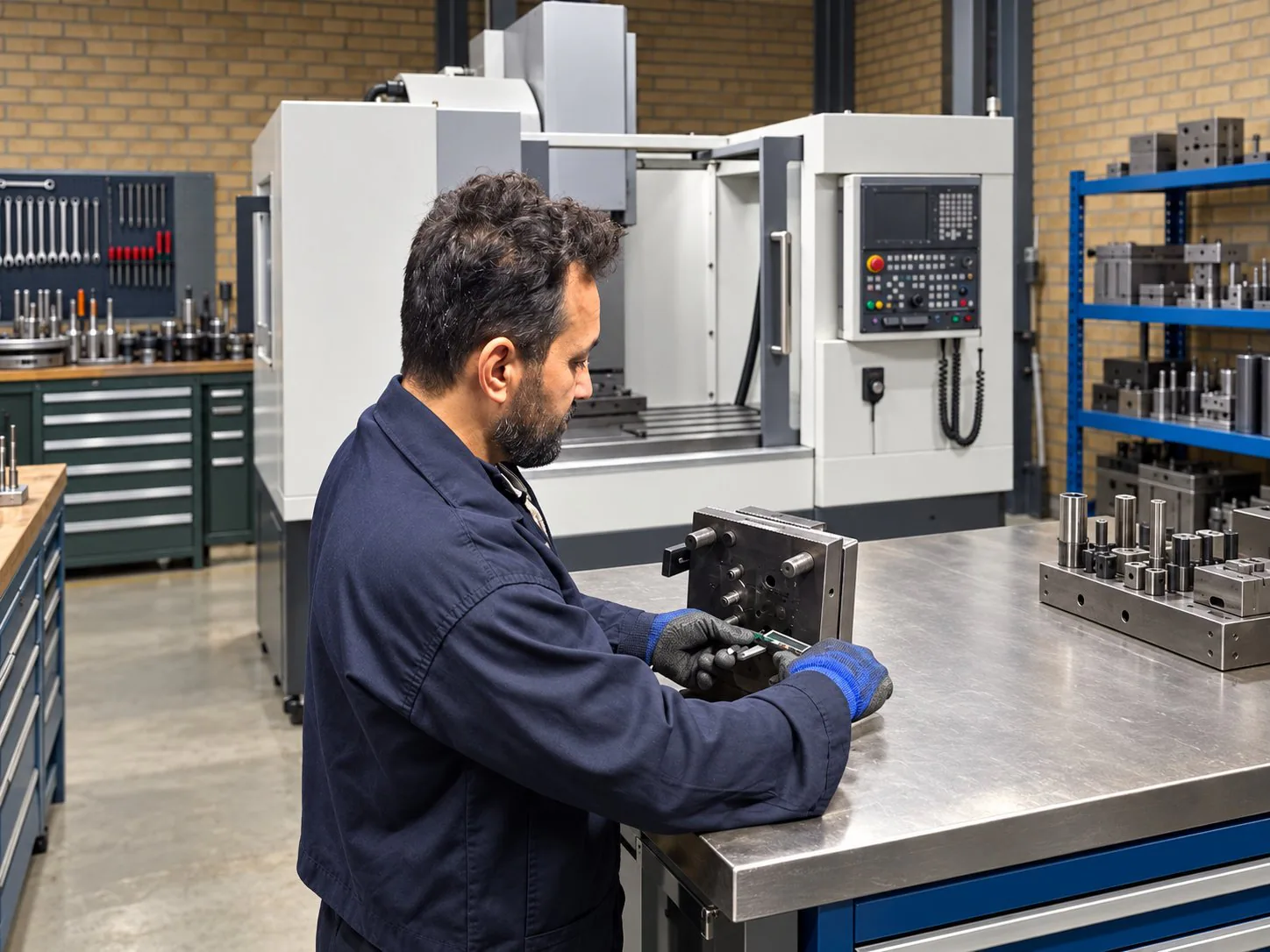
Manufacture die components and perform staged dimensional and conformity checks before assembly.
Verify the movement of slides, ejectors, plates, and assembled mechanisms.
Trial the die with an actual shot and assess the resulting part.
Implement adjustments, repeat the trial, and submit the as-cast and machined samples separately for approval.
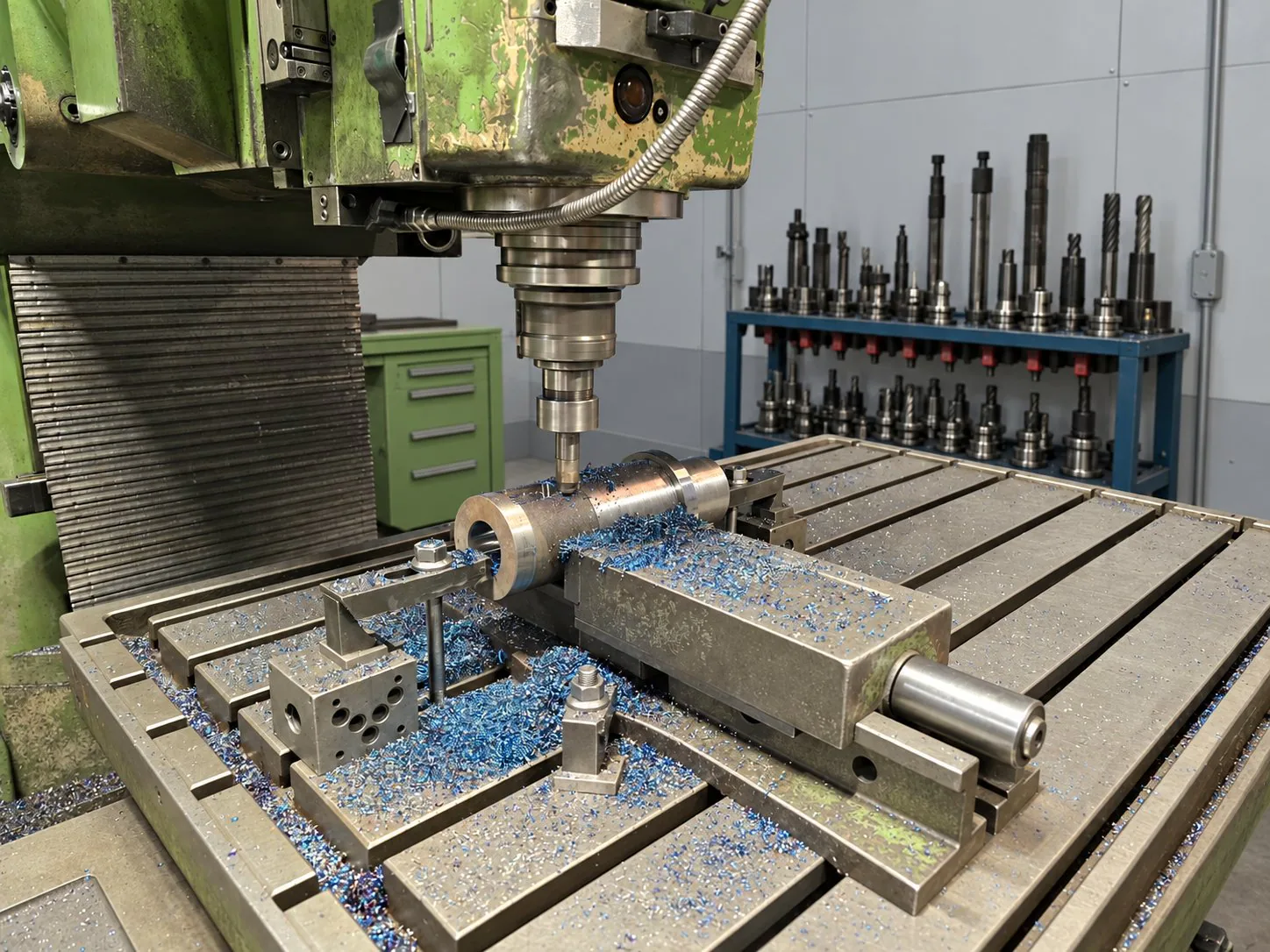
Primary and supporting die components are manufactured in-house from the released model and drawings.
Materials and finishing treatments are selected according to each component’s function, contact with molten metal, and die operating conditions.
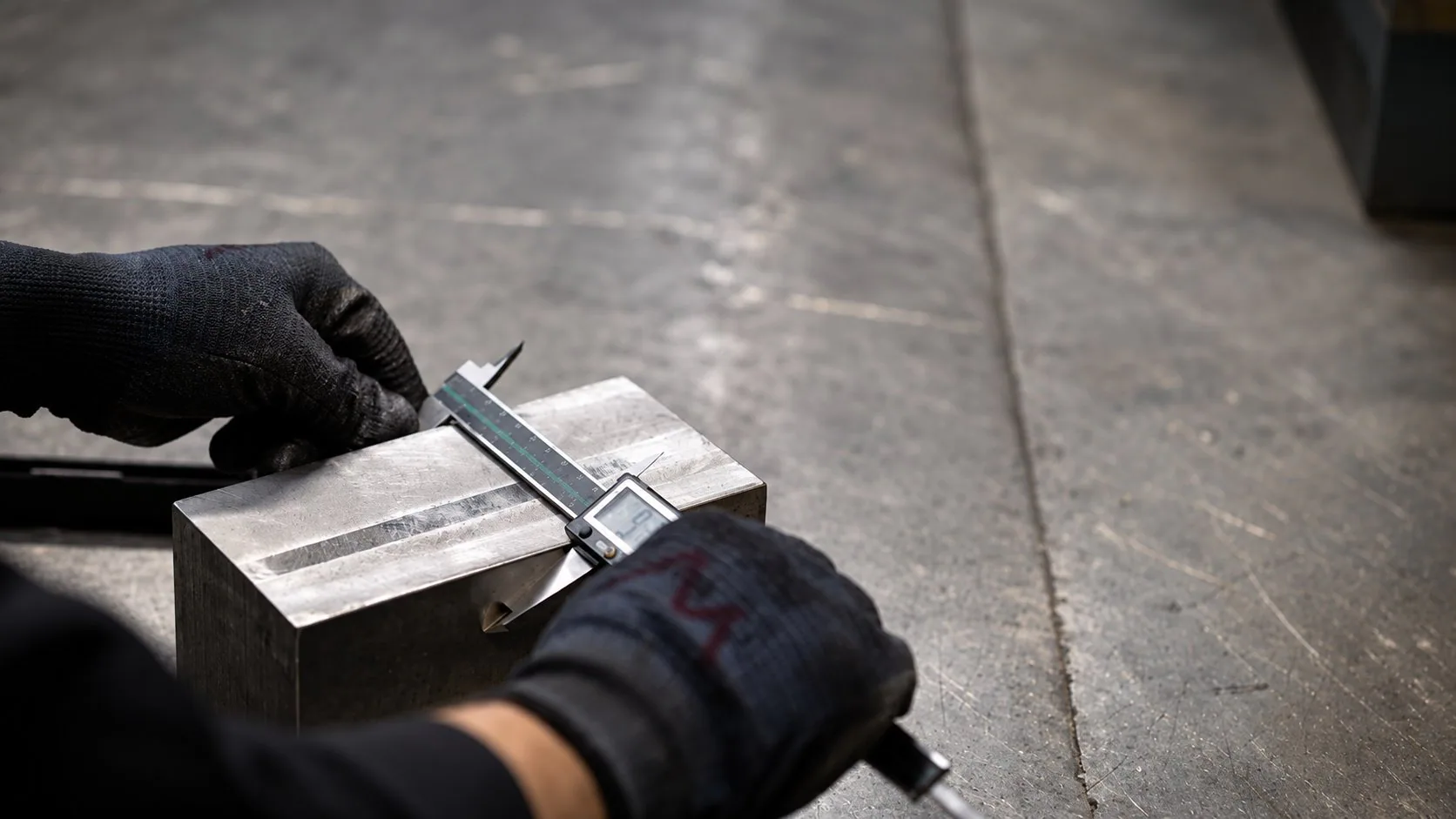
Dimensional inspection begins during manufacturing and continues through assembly, injection trial, and sample approval.
The toolroom’s responsibility does not end when the die is built; active dies are supported throughout production.
CNC and NC mills, lathes, EDM, drills, and band saws for primary and supporting components
Renishaw touch probe with 0.001 mm resolution on one CNC mill
Digital calipers and micrometers alongside precision gauge blocks
Assembly of plates, inserts, slides, ejectors, and guide components, with functional verification before the injection trial
Operation sequence, schedule, activity owner, and online progress tracking
Recorded and retrievable die repair, modification, maintenance, and major-overhaul history
Novin’s die-making capability supports its integrated part-production chain. Drawings, models, or part samples are reviewed for feasibility, and die design and manufacturing consultation is also available.